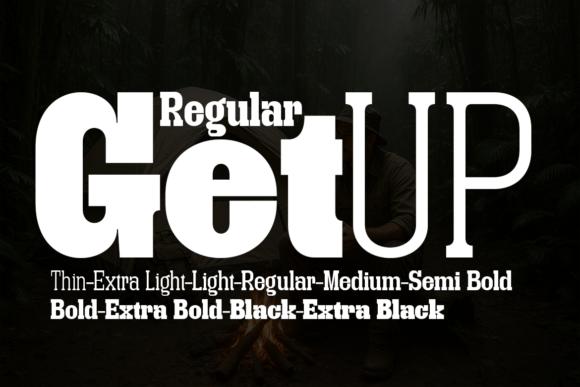
GetUp Regular: The Versatile Core of Your Design System
Every designer knows the feeling: you’re staring at a blank canvas, a new brand brief in hand, and the first question isn’t about color palette or imagery—it’s about typeface. What single font choice can carry a brand’s entire personality, work across a dozen applications, and still feel fresh a year later? For many, the answer lies in a typeface that’s both a workhorse and a statement piece. Enter the GetUp Regular font, the foundational layer of a type system built for real-world versatility.
Beyond the Slab Serif: Understanding GetUp’s Visual DNA
At first glance, GetUp Normal presents itself as a classic slab serif. But look closer, and you’ll see it’s more nuanced than that. Its blocky serifs and geometric skeleton give it an immediate sense of stability and trust—qualities any brand covets. Yet, within that structured framework, there’s a subtle boldness. The letterforms have a confident, almost assertive stance, ensuring they don’t get lost in a crowded layout. This is modern typography that respects tradition without being bound by it.
The true power, however, lies in its 10 meticulously crafted weights, ranging from the ethereal Thin to the monumental Extra Black. This isn’t just a font; it’s a complete typographic voice. The Thin weight feels elegant and airy, perfect for luxury wellness brands or minimalist invitations. The Regular and Medium weights are your everyday heroes, offering impeccable readability for body text and sub-headlines. Then, as you move into the Bold, Heavy, and Extra Black weights, the font’s personality transforms. It becomes a commanding force, ideal for impactful poster headlines, product packaging that demands attention, or a logo that needs to anchor an entire visual identity.
Practical Applications: Where GetUp Regular Truly Shines
Let’s talk about putting this typeface to work. Its balanced proportions—neither condensed nor expanded—make it a natural fit for a staggering variety of projects, solving common design headaches along the way.
- Brand Identity & Logo Design: A logo built with GetUp Regular, perhaps in a Bold or Heavy weight, instantly communicates reliability and strength. Because the family has such range, you can use the same core typeface for your primary logo, your website headings, and your print collateral, ensuring seamless visual consistency that builds brand recognition.
- Editorial & Web Design: For blogs, magazines, or corporate reports, the lighter weights of GetUp Normal excel in sub-headlines and pull quotes. They provide a structured counterpoint to a body text set in a complementary sans serif font, guiding the reader’s eye through the layout without overwhelming it. The improved readability across weights means your message stays clear, whether on a screen or in print.
- Packaging & Merchandise: Imagine a coffee bag or a craft beer label. The Heavy or Extra Black weight of this creative font can scream the product name with artisanal confidence, while the Regular weight elegantly lists the ingredients or origin story. On merchandise like tote bags or t-shirts, it provides a clean, professional look that feels premium.
- Social Media & Digital Marketing: In the fast-scroll world of Instagram or Pinterest, you have milliseconds to make an impression. Using GetUp’s Bold or Heavy weights for key phrases in your social media graphics creates instant visual hierarchy and stop-the-scroll appeal. It’s a commercial font that feels dynamic and modern, perfect for engaging a digital audience.
Font Pairing Philosophy: Building a Cohesive Visual Language
A great font rarely works alone. The GetUp Regular typeface is engineered to be a team player. Its strong, geometric slab serif character makes it an ideal partner for a wide range of other styles. For a clean, contemporary look, pair it with a minimalist sans serif font like Helvetica Neue or Inter. The contrast between GetUp’s structured serifs and the sans serif’s clean lines creates a professional and balanced aesthetic.
Feeling more adventurous? Try coupling it with a subtle, organic handwritten font or a fluid script font. The rigidity of GetUp’s forms will ground the more expressive partner, preventing the design from feeling chaotic. This kind of thoughtful font pairing is what separates good design from great design, allowing you to match typography precisely to your project’s goals—whether that’s friendly and approachable or authoritative and sophisticated.
Making the Choice: Licensing and Practical Considerations
Before integrating any new design asset into your workflow, a couple of practical checks are essential. First, always review the font’s licensing. Ensure the license covers your intended use, especially if you’re creating assets for clients, selling merchandise, or using it in software. A reputable premium font will have clear licensing terms for different scenarios.
Second, test thoroughly. Don’t just install the font and glance at the alphabet. Set a paragraph in the Regular weight to check readability at small sizes. Create a mock-up of your logo in both Medium and Bold. See how the Extra Black weight looks at a massive scale for a poster. This hands-on testing is the only way to truly understand if a typeface fits your creative process and meets the demands of your specific projects.
In a landscape saturated with fleeting design trends, choosing a typeface with enduring character and functional depth is a strategic move. The GetUp Regular font isn’t just another slab serif; it’s a foundational system designed for the multifaceted reality of modern creative work. From the quiet confidence of its Thin weight to the assertive roar of its Extra Black, it offers a consistent yet dynamic voice that can help unify your brand, elevate your communications, and engage your audience with professional clarity. It’s the kind of reliable, versatile asset that earns its place in a designer’s toolkit for years to come.