Why the Ship Sketch Font is Your Next Favorite Design Asset
There’s a particular charm to hand-drawn elements that digital perfection can’t quite replicate. It’s the slight imperfection, the texture of a pencil line, the feeling that a real person created it. This is exactly the energy the Ship typeface brings to the table. As a dingbats font built around a nautical and sketchy theme, it’s less about formal typography and more about injecting personality, whimsy, and a handcrafted vibe into your work. If you’ve ever felt your designs needed a touch of warmth or a dash of playful character, this might be the creative tool you’ve been looking for.
More Than Just Dingbats: A Visual Style Guide
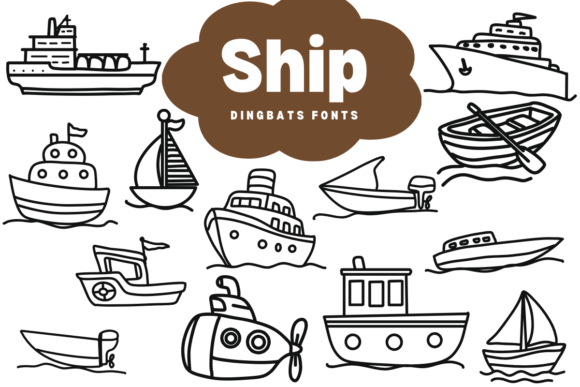
First, let’s clarify what we’re working with. Ship is a dingbats font, meaning its characters map to symbols, illustrations, and decorative elements rather than letters and numbers. Its core visual identity is a sketch style—think clean yet organic line art with a slightly textured, hand-drawn appearance. The theme is distinctly nautical, featuring anchors, ships, compasses, waves, and related icons, but the sketchy execution gives it a versatile, vintage-inspired feel that transcends a strict seaside motif.
This style sits in a sweet spot for modern design. It’s not as formal as a serif font or as sterile as a sans serif font. Instead, it offers the expressiveness of a script font or handwritten font but with clearer, more iconic shapes. This makes it incredibly useful for adding visual interest without sacrificing legibility in its intended role as an icon or illustration set.
Practical Applications: Where Sketch-Style Icons Shine
The real value of a creative font like Ship lies in its application. It’s a design asset that can solve multiple problems across a project. Here’s how different professionals are putting it to work:
- For Branding & Logo Design: A brand targeting outdoor enthusiasts, coastal cafes, or vintage-inspired goods can use Ship’s icons as part of its visual system. Imagine a subtle anchor icon in a footer, a compass rose as a logo mark, or a wave pattern used as a subtle background texture. This builds a cohesive brand identity with a consistent, handcrafted aesthetic.
- For Packaging & Merchandise: Product packaging for artisanal foods, craft beverages, or boutique goods benefits immensely from a sketchy, authentic feel. Use Ship icons to create custom labels, hang tags, or patterns for tissue paper. For merchandise like tote bags or t-shirts, these icons can serve as standalone graphic elements or be combined with typography for unique designs.
- For Digital Presence: On websites and blogs, these dingbats can be used for custom bullet points, section dividers, or social media icons with a twist. For social media graphics, they make for engaging story highlights, post illustrations, or branded stickers that stand out in a feed filled with generic stock imagery.
- For Print & Invitations: This is where the font truly excels. Wedding invitations with a nautical or rustic theme can use Ship’s icons for elegant motifs. It’s perfect for DIY crafts, party decorations, menu cards, and thank-you notes, giving a professional, premium font feel to personal projects.
- For Editorial & Marketing: In editorial design for magazines or lookbooks, the icons can add visual flair to pull quotes or chapter headings. Marketers can use them in marketing assets like infographics, presentation slides, or email headers to make data and messages more visually engaging and memorable.
Integrating Ship Into Your Design Workflow
Knowing what a font can do is one thing; using it effectively is another. Here’s some practical advice for integrating a dingbats font like Ship into your projects with a professional touch.
Start with a Goal, Not a Gimmick. Before you start placing anchors everywhere, ask what role the iconography plays. Is it reinforcing a theme? Creating visual hierarchy? Adding a personal signature? Let the project’s goal guide your usage. A single, well-placed icon often has more impact than a dozen scattered ones.
Master the Font Pairing. Icons need a typographic partner. Because Ship is a sketch-style display font (in its icon role), it pairs best with clean, simple typefaces. A classic sans serif font like Helvetica or Lato for body text provides excellent contrast and ensures readability. For headlines, you could pair it with a complementary script font or a sturdy serif, but always test the combination. The icon set should enhance, not compete with, your primary message.
Consider the Context. A tiny, detailed icon might get lost when printed very small. Conversely, a bold icon blown up to poster size might look jagged. Always review the included glyphs at the size you intend to use them. Test prints and screen views are non-negotiable for professional presentation.
Check Your Licensing. This is a critical, often overlooked step. If you’re using Ship for a client project, merchandise for sale, or any commercial application, ensure you have the appropriate commercial font license. Reputable font foundries are clear about their licensing terms. Using a font beyond its licensed scope can lead to legal headaches down the line, so treat this as a standard part of your design assets checklist.
Elevating Projects with Intentional Typography
Ultimately, tools like the Ship typeface are about expanding your creative vocabulary. They allow you to move beyond standard icon libraries and inject a specific, consistent mood into your work. Whether you’re a small business owner crafting your first brand kit, a content creator developing a recognizable visual style for your channel, or a designer working on packaging design, having a curated set of thematic, sketch-style icons at your fingertips can streamline your process and strengthen the final output.
The key is intentionality. Use these elements to tell a visual story, to create visual consistency across touchpoints, and to make your audience feel something specific—whether that’s the calm of the coast, the thrill of adventure, or the comfort of handmade quality. In a crowded visual landscape, that thoughtful touch is what helps a brand or project become not just seen, but remembered.