The Sweeping Elegance of the Delighting Font
There’s a particular kind of visual language that speaks without shouting. It’s the confident curve of a signature on a contract, the elegant swirl of a name on a wedding invitation, the personal touch on a photographer’s watermark. This is the language of connection, and it’s where a typeface like Delighting finds its purpose. More than just letters on a page, it’s a tool for injecting personality, warmth, and a sense of crafted luxury into your visual communication. If you’ve ever felt your designs needed that final, authentic flourish, understanding how to use a script font like this effectively can be a game-changer.
A Typeface with a Flowing, Signature Personality
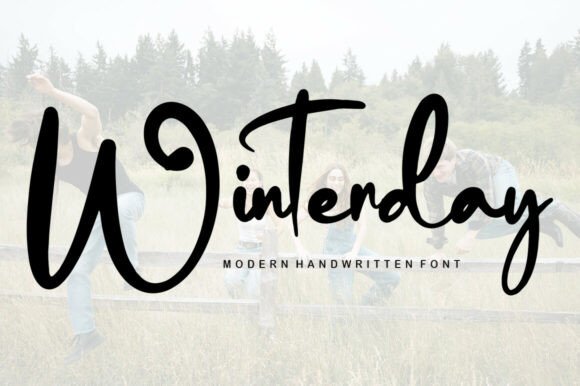
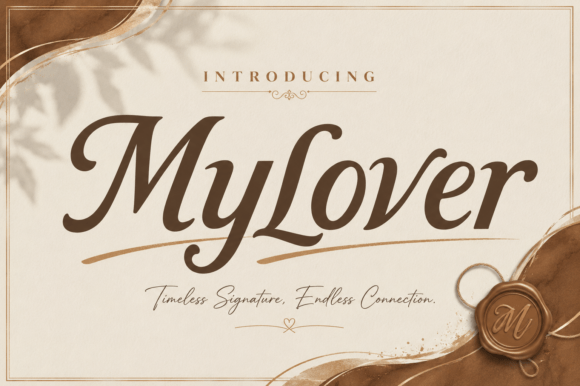
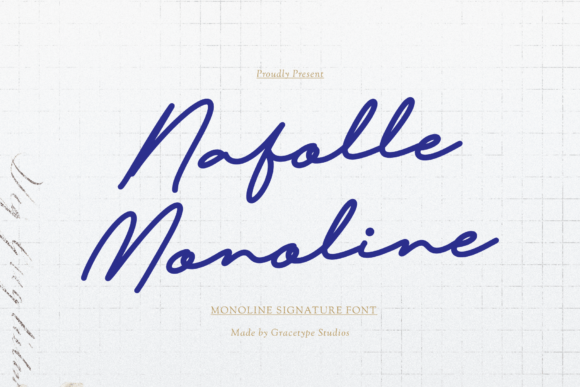
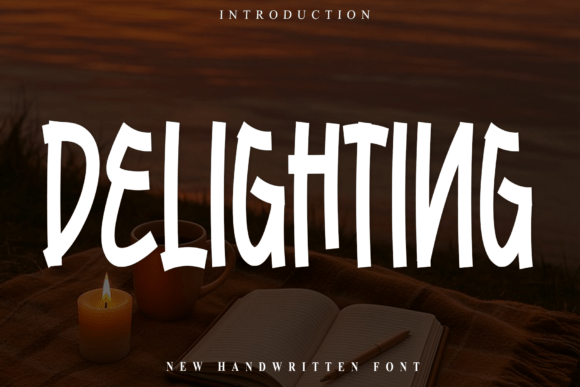
At its core, Delighting is a modern handwritten script font. But that simple description doesn’t quite capture its essence. Imagine the fluid motion of a skilled calligrapher’s pen, but with the consistency and reliability of a digital typeface. Its smooth, generous curves avoid the scratchy, hurried look of some script fonts, while its graceful, elongated strokes create a sense of sophistication and movement. This isn’t a font trying to mimic a child’s handwriting; it’s designed to evoke the feeling of a personal, polished signature. The visual appeal lies in its balance—it feels both authentically human and professionally refined.
This character makes it a powerful display font choice for specific applications. It’s not meant for body text in a novel, but for the moments where you need a headline, a logo, or a piece of text to carry emotional weight and draw the eye. Think of it as the typographic equivalent of a beautifully tailored suit or a piece of statement jewelry. It’s the detail that elevates the entire presentation.
Where Your Brand Can Shine: Practical Applications
Knowing a font looks beautiful is one thing; knowing exactly where to deploy it is where the real strategy comes in. For entrepreneurs, designers, and creators, the utility of a premium font like Delighting is in its versatility across touchpoints. Here’s how it can serve different projects:
- Brand Identity & Logo Design: For service-based businesses—think wedding planners, boutique consultants, photographers, or florists—a logo set in Delighting can instantly communicate elegance, personal attention, and luxury. It works beautifully for a monogram or a full business name.
- Packaging & Product Labels: Imagine this script on the label of a artisan candle, a small-batch skincare line, or gourmet chocolate. It suggests care, quality, and a story behind the product, helping it stand out on a shelf or in an online store.
- Invitations & Stationery: This is a natural home for such a font. Wedding suites, baby shower invitations, and thank-you cards gain an immediate sense of occasion and personal touch. The flowing style sets a celebratory tone from the first glance.
- Social Media & Digital Content: Use it for impactful quote graphics, Instagram story headers, or Pinterest pins. When paired with a clean sans serif font for body text, it creates a dynamic and professional-looking hierarchy that stops the scroll.
- Website & Blog Accents: While not for paragraphs, it’s perfect for hero section headlines, pull quotes, or section titles on a website. For a blogger or publisher, it can add a distinctive flair to editorial layouts without compromising readability elsewhere.
- Marketing & Print Collateral: From business cards and letterheads to posters and sales sheets, using Delighting for key headlines or your company name reinforces brand recognition and adds a layer of premium perception.
Making It Work: Pairing, Readability, and Licensing
Introducing a strong script font into your design system requires a thoughtful approach to avoid visual chaos. The goal is harmony, not competition. A fundamental rule of font pairing is contrast. Pair your elegant script with a simple, geometric sans serif or a sturdy, traditional serif font. For example, Delighting for a headline paired with a font like Montserrat or Lora for body text creates a beautiful and readable balance. The script provides the personality, while the simpler font ensures clarity for longer sentences.
Always prioritize readability. Test the font at the size you intend to use it. Script fonts with intricate connections can become difficult to read at very small sizes. Delighting’s clean letterforms are designed for clarity, but it’s still best used for larger text elements. For a logo, ensure it remains legible when scaled down to the size of a favicon or a social media profile picture. A good practice is to view your design on both a desktop screen and a mobile device to check its effectiveness across contexts.
Before purchasing any commercial font, review the licensing. A professional typeface like Delighting will come with a license that outlines permissible uses. Common licenses cover desktop use (for print and logos), web use (for embedding on websites), and sometimes app or server use. Ensure the license you select matches your project needs, especially if you’re creating assets for clients or for merchandise you plan to sell. This due diligence protects your work and respects the type designer’s craft.
Aligning Typography with Your Project’s Heart
Ultimately, choosing a font like Delighting is about alignment. Does its personality—elegant, flowing, luxurious—match the message you want to send? For a children’s party supply business, it might be too formal. But for a high-end interior designer, a wedding photographer, or a boutique law firm, it could be the perfect visual fit. Typography is a silent ambassador for your brand. The right typeface builds recognition, conveys values, and creates an emotional response before a single word is read.
Consider the full picture. What other design assets do you use? What colors and imagery define your brand? The script font should feel like a natural extension of that existing world. Use it strategically—not on everything, but on the elements that need that extra touch of distinction. When used with intention, a font ceases to be just a file on your computer and becomes a vital part of your storytelling toolkit, helping you connect with your audience in a more profound and visually cohesive way.