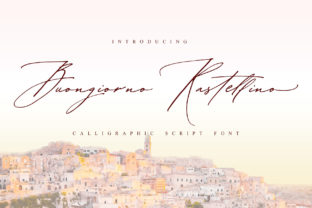
Rindeya: The Script Font for Elegant, Handwritten Designs
There’s a particular kind of magic that happens when a design feels personal. It’s the difference between a generic thank you note and one that carries the warmth of a handwritten letter. It’s the subtle confidence a brand projects when its logo has a human, crafted touch. For designers, entrepreneurs, and creators searching for that specific quality—elegance with a personal signature—the Rindeya script font offers a compelling solution. This isn’t just another script typeface; it’s a tool designed to inject sophistication and authenticity into projects ranging from wedding stationery to full-scale brand identities.
Understanding the Visual Appeal of a Modern Script Font
At its core, Rindeya is a stylish and incredibly elegant script font. Its visual character is defined by flowing, connected letterforms that mimic the natural rhythm of skilled handwriting. The strokes possess a beautiful contrast, with delicate thin lines transitioning into graceful, confident thick strokes. This isn't a casual, messy scrawl; it’s a refined and polished interpretation of cursive, making it suitable for both formal and creative applications. The overall impression is one of luxury, romance, and bespoke craftsmanship, which is precisely why it looks stunning on wedding invitations, thank you cards, and quotes.
What sets a premium font like Rindeya apart from free alternatives is its attention to detail. You’ll often find features like contextual alternates and stylistic sets, which allow certain letters to change form based on their neighbors. This creates a more authentic, hand-lettered look, preventing the repetitive, mechanical appearance that can plague lesser script fonts. The result is typography that feels alive and intentional, a key asset in modern typography where authenticity is highly valued.
Practical Applications: Where Rindeya Truly Shines
The true test of any creative font is its versatility across different media and project types. Rindeya’s elegant personality makes it adaptable to a surprising range of uses. Let’s move beyond the obvious and explore where this typeface can become an indispensable part of your design toolkit.
Building a Memorable Brand Identity: For small businesses, especially those in lifestyle, beauty, fashion, or artisanal food sectors, a handwritten font can be the cornerstone of a relatable brand. Imagine Rindeya used for a bakery’s logo, a boutique’s signage, or the wordmark for a handmade jewelry line. It immediately communicates care, quality, and a personal connection. When used consistently on business cards, packaging, and social media graphics, it helps build strong visual consistency and brand recognition. Your audience begins to associate that elegant script with your specific story and values.
Elevating Digital Presence: In the crowded digital space, standing out is critical. Rindeya can be used strategically on websites and blogs to draw attention to key elements. Think hero section headlines, pull quotes in articles, or special announcement banners. It’s also exceptionally effective for social media graphics. A quote card, a promotional offer, or a story highlight cover gains an immediate premium feel with this font, boosting audience engagement. However, a crucial piece of practical advice: always pair a script font with a highly readable sans serif or serif font for body text. Rindeya is a display font, meant for impact in headlines and logos, not for lengthy paragraphs where readability is paramount.
Enhancing Print and Editorial Design: The applications in print are vast. Beyond invitations and greeting cards, consider editorial layouts for magazines or lookbooks. Using Rindeya for chapter titles or featured quotes can break up dense text and add a sophisticated visual rhythm. It’s perfect for creating standout posters, event flyers, or elegant menus. For product-based businesses, it can transform packaging design—think labels for artisanal goods, cosmetic boxes, or gift wrap—making the unboxing experience feel more luxurious and intentional.
Integrating Rindeya into Your Creative Workflow
Adopting a new typeface into your projects requires more than just installation. To use Rindeya effectively and ensure it enhances rather than hinders your work, a thoughtful approach is necessary.
First, always review the included font styles and character sets. Does it come with ligatures? Are there multiple stylistic sets you can experiment with? Understanding these features allows you to unlock the font’s full potential and avoid the common pitfall of using its most basic default setting. Second, testing font pairings is non-negotiable. The goal is harmony, not competition. Rindeya’s ornate nature pairs beautifully with clean, geometric sans serifs like Montserrat or Poppins for a modern contrast. For a more classic, luxurious feel, try it with a refined serif like Playfair Display or Lora. Always check how the pair works at different sizes and in various contexts, from a website header to a small print caption.
Readability considerations are also key. While Rindeya is legible at display sizes, its intricate details can become muddled if used too small or in low-contrast situations (e.g., light gray text on a white background). Ensure sufficient size and contrast, especially for important information. Finally, for any commercial project, from client logos to merchandise you sell, verifying the commercial licensing of the font is a professional and legal necessity. Reputable foundries and marketplaces provide clear licensing terms, ensuring you have the rights to use the font in your intended applications.
The Right Tool for the Right Job
Choosing a font is a design decision that carries weight. It’s not about finding the most popular or trendy typeface, but the one that best aligns with your project’s goals and the message you want to convey. Rindeya excels when the brief calls for elegance, personality, and a touch of human warmth. It’s a specialized tool in your design assets collection. For a minimalist tech startup, it might be the wrong choice. But for a wedding planner, a luxury candle brand, a lifestyle blogger, or a designer crafting premium marketing assets, it can be the perfect element that ties the entire visual language together. By understanding its strengths and applying it with intention, you can use this script font to create work that doesn’t just look good, but feels genuinely connected to its audience.