Higher Regular: The Serif Font That Balances Elegance with Modern Edge
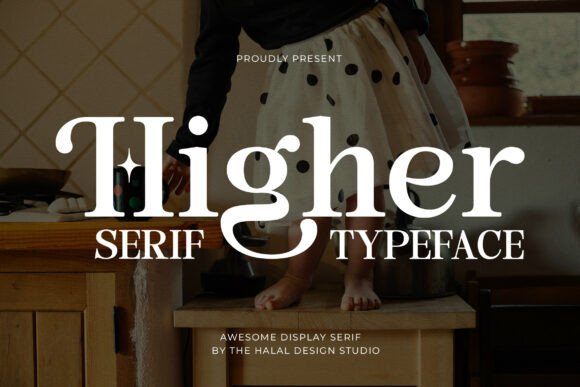
Imagine a typeface that carries the weight of tradition but speaks with the clarity of today. That's the immediate impression of Higher Regular. It’s not just another serif; it’s a contemporary display font engineered for impact. You notice its high-contrast strokes first—the thick and thin lines playing off each other with precision. Then your eye catches the razor-sharp serifs, those small details that ground each letter with authority. This is a typeface designed for moments that demand attention: the hero image on a homepage, the title of a luxury magazine spread, or the logo of a brand that wants to communicate timeless sophistication. It bridges the gap between the classic serif fonts we trust and the bold, modern typography that cuts through digital noise.
A Typeface for the Detail-Oriented Creator
What sets this premium font apart is its intentional versatility. The polished letterforms aren't just beautiful; they're functional. Think about a small business owner designing their first product packaging. They need a font that looks professional on a shelf, reads clearly on a website, and feels cohesive across a thank-you card. Higher Regular delivers that consistency. Its design ensures legibility at various sizes, which is crucial for everything from a bold poster headline to the fine print on a business card. For the creative entrepreneur juggling multiple projects, having a single, reliable display font that performs across mediums is a game-changer. It simplifies the design process while elevating the end result.
Practical Applications: From Brand Identity to Social Feeds
Let's move beyond theory. Where does a font like this actually shine? Consider a content creator building a personal brand. Using Higher Regular for all their Instagram story titles and YouTube thumbnails creates instant visual recognition. Their audience starts to associate that elegant, bold lettering with their content, boosting brand recall without a word being spoken. For a blogger, it can transform a standard article into a compelling editorial piece. Setting a post title in this serif font immediately gives it authority and style, making readers more likely to engage with the content.
The applications extend deep into commercial design. In packaging design, font choice is a silent salesperson. A gourmet food brand using Higher Regular on its labels communicates quality and craftsmanship before the customer even tastes the product. For logo design, the font's high-contrast strokes and unique alternates allow designers to craft a mark that is both distinctive and rooted in typographic tradition. It’s equally at home on wedding invitations, where its sophisticated character sets a tone of elegance, or on a tech startup’s website, where its modern edge feels innovative and trustworthy.
Unlocking Design Flexibility with OpenType Features
A great display font is more than just a set of letters. Higher Regular includes ligatures, alternate styles, and multilingual support, which are practical tools for any designer. Ligatures—those special character combinations like "fi" or "fl"—smooth out awkward spacing, creating a more polished text flow. Alternate styles give you options. Maybe you want a more decorative capital letter for a drop cap in a magazine layout, or a different stylistic set for a logo to make it unique. This level of control is what separates a good design from a great one. It allows you to tailor the typography precisely to your project's goals, ensuring your visual communication is as effective as it is beautiful.
Pairing for Impact and Maintaining Readability
No font is an island. The real magic happens in font pairing. Higher Regular's classic yet modern personality makes it a fantastic partner. For a clean, contemporary look, try pairing it with a simple sans serif font for body text. The contrast in structure—serif for headlines, sans serif for paragraphs—creates a clear visual hierarchy that guides the reader's eye. If you're going for a more luxurious, editorial feel, it can even work with a subtle script font for accents, but use that combination sparingly to avoid visual clutter.
Always test your pairings in context. Mock up a social media graphic, a website hero section, or a sample packaging label. See how the fonts interact at the sizes they'll actually be used. Readability is paramount, especially for body copy or smaller text like captions. While Higher Regular excels as a display font for headlines, ensure your supporting typeface is highly legible for longer reading passages. This thoughtful approach to typography is what builds a professional, cohesive brand identity.
Making the Choice: Licensing and Final Considerations
Before you commit, review the font's full character set and licensing. Does it include all the weights and styles your project might need? For commercial use—like on products for sale, client work, or business materials—you need a license that permits that. Most reputable font foundries offer clear commercial licensing options. Take advantage of any available samples or previews to test the font with your specific brand name, taglines, and key messages. Seeing your own words rendered in the typeface is the ultimate test of its fit for your vision.
Choosing a typeface is a strategic decision. It's not just about what looks pretty; it's about what communicates your message effectively to your intended audience. For projects that demand a blend of classic authority and modern clarity, a versatile serif display font like Higher Regular provides a robust foundation. It empowers designers, business owners, and creators to produce work that feels intentional, professional, and visually compelling, ensuring their first impression is a lasting one.