Daisy Hana: Capturing Spring's Charm in Every Stroke
There’s a particular feeling when the first signs of spring appear—a gentle warmth, a burst of color, an undeniable sense of renewal. Capturing that feeling in a design project can be transformative, shifting a simple message into something memorable and emotionally resonant. This is the space where Daisy Hana, a handcrafted display font, truly blossoms. It’s not just a set of letters; it’s an artisanal journey that brings the intimate, effervescent spirit of the season directly to your canvas, perfect for projects that need a touch of heartfelt authenticity.
More Than Just a Pretty Face: Understanding the Font's Personality
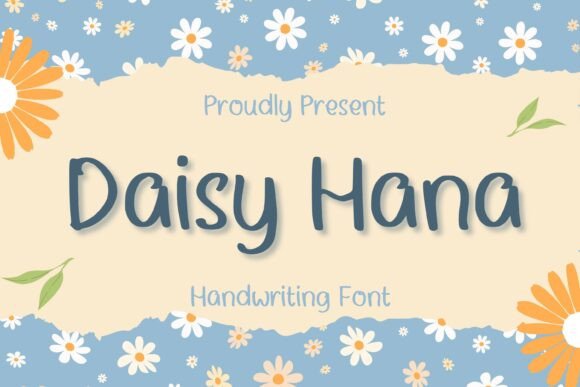
At its core, Daisy Hana is a premium handwritten font with a distinct aesthetic. Its charm lies in its organic, flowing strokes that mimic the natural imperfections of hand-lettering. Each character feels carefully crafted, avoiding the overly uniform look of some digital script fonts. This gives it a warm, personal quality that’s immediately relatable. Think of it as the typographic equivalent of a handwritten note on textured paper—it conveys care, thought, and a personal connection. For designers and creators, this means it can instantly add a layer of human touch to any project, making digital communications feel more tangible and real.
Visually, it strikes a balance between elegance and approachability. The letterforms have a gentle bounce and varying baseline, which contributes to its lively, spring-inspired character. This makes it an excellent choice for projects where you want to avoid the coldness of standard sans serif fonts or the formality of traditional serif typefaces. It’s a modern typography solution for anyone looking to inject personality and warmth without sacrificing style.
From Brand Identity to Product Packaging: Practical Applications
The true value of a creative font like Daisy Hana is in its versatility. It’s a design asset that can be deployed across a wide range of mediums to achieve specific goals. Let’s explore where it can make a real impact.
Branding and Logo Design: For small businesses, especially those in lifestyle, wellness, beauty, artisanal goods, or boutique services, a logo sets the tone. Daisy Hana can serve as the primary logotype or a complementary script element, helping to establish a brand identity that feels friendly, bespoke, and trustworthy. Imagine it on a bakery’s logo, a florist’s branding, or a handmade jewelry shop’s mark—instantly, it communicates a story of craftsmanship and personal attention.
Packaging and Print Materials: Physical touchpoints are powerful. Using this font on product labels, gift tags, tissue paper, or thank-you cards can elevate the unboxing experience. It turns ordinary packaging into part of the brand narrative. Similarly, for print materials like business cards, brochures, or event posters, it adds a focal point that draws the eye and feels intentionally designed.
Digital Presence and Marketing: In the digital realm, standing out is key. For social media graphics, Daisy Hana can make quotes, announcements, and promotions feel more engaging and personal. On a website or blog, it’s perfect for impactful headings, featured quotes, or call-to-action buttons, guiding the visitor’s eye and enhancing readability in short bursts. For digital products like planners, e-books, or online course materials, it adds a cohesive, polished look that increases perceived value.
Achieving Visual Harmony: Pairing and Professionalism
While a standout font is a great tool, using it effectively requires some strategy. The goal is to improve visual consistency and brand recognition, not to overwhelm your audience.
A crucial piece of practical advice is to master font pairing. Daisy Hana, as a expressive display font, works best when paired with a cleaner, more neutral companion. A simple sans serif font for body text or a clean serif for longer paragraphs will ensure your overall design remains professional and readable. The contrast allows Daisy Hana’s personality to shine in headlines and logos without causing visual fatigue. Always test your pairings in context—see how they look on a mockup of your website, a sample social media post, or a draft of your packaging.
Readability is paramount, especially for web design. While beautiful, highly decorative script fonts are not ideal for long blocks of text. Use Daisy Hana strategically for headings, subheadings, pull quotes, and short, impactful phrases. This approach maintains the aesthetic appeal while ensuring your message is clear and accessible to your audience. Reviewing the included font styles and weights (if available) can also help you find the perfect variation for different hierarchy levels in your design.
Finally, for any commercial project, always consider the licensing. Ensure the font you choose comes with a license that covers your intended use, whether for a small business logo, merchandise for sale, or client work. This professional step protects your project and respects the work of the typeface’s creator.
Bringing It All Together: The Daisy Hana Touch
Ultimately, choosing a typeface like Daisy Hana is about aligning your visual communication with your project’s heart. It’s for the entrepreneur who wants their brand to feel like a conversation with a friend. It’s for the content creator aiming to make their audience feel seen and valued. It’s for the designer seeking an authentic, handcrafted element to complete a layout.
By integrating this aesthetic handwritten font thoughtfully, you’re not just decorating text. You’re crafting an experience. You’re using modern typography to build deeper audience engagement, present a more professional and cohesive image, and tell a story that resonates. So, whether you’re designing a wedding invitation, launching a new product line, or refreshing your blog’s visual identity, let the spirit of spring and the artisanal charm of a well-chosen font guide your creative process. The result will be designs that don’t just communicate—they connect.