Candy Cane: The Handwritten Font That Adds Instant Charm
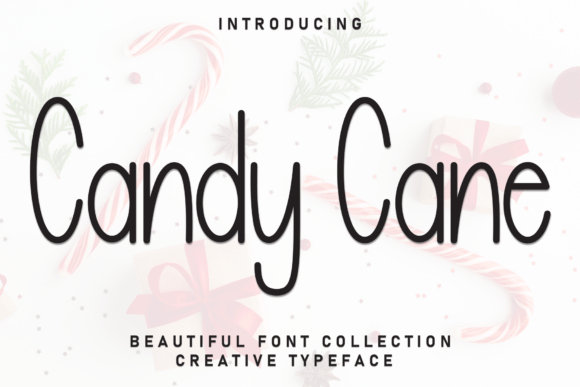
There’s a certain kind of project where you need more than just clean lines and professional polish. You need warmth. You need personality. You need a design that feels like it was crafted by a human hand, not just assembled by software. This is where a typeface like Candy Cane truly shines. It’s not just another script font; it’s a character piece, a delightful handwritten display typeface designed to inject a friendly, fun vibe into your work. Its cute and whimsical appeal makes it an exceptional choice for projects that demand a personal touch, from wedding invitations and greeting cards to brand identities that want to feel approachable and joyful.
A Typeface with Personality: Beyond the Basics
So, what exactly makes Candy Cane so visually appealing? At its core, it’s the authentic, slightly irregular flow of a genuine handwritten style. Unlike rigid, formal scripts, this premium font has a casual elegance. The strokes have a natural bounce and varying weight that mimic the movement of a pen on paper, giving it a tactile quality. This isn't about achieving typographic perfection; it's about capturing a feeling. The charm radiates in every curve and connection, making it feel personal and inviting. It’s the kind of creative font that can soften a corporate edge, make a product feel more artisanal, or turn a simple social media graphic into something shareable and relatable.
This font personality is its greatest asset. When you choose a typeface, you're choosing a voice for your message. Candy Cane speaks in a voice that’s cheerful, sincere, and a little bit playful. It’s perfect for brands and creators who want to connect with their audience on an emotional level, conveying creativity, care, and a sense of fun without saying a word.
From Brand Identity to Packaging: Where This Font Works Best
The true test of a font is its versatility in the real world. Candy Cane isn't a one-trick pony; its friendly demeanor makes it a valuable design asset across a wide spectrum of applications. Thinking about how to use it effectively can transform your projects from good to memorable.
For branding and logo design, this typeface can be a game-changer for the right business. Imagine a boutique bakery, a children's clothing line, a handmade soap company, or a cozy coffee shop using Candy Cane for their logo or primary wordmark. It instantly communicates a brand identity that is handmade, personal, and full of heart. It pairs beautifully with a simple, clean sans serif font for body text, creating a balanced and professional presentation that still feels warm.
Packaging design is another arena where this handwritten font excels. On a product label, it can highlight a key ingredient, a special flavor, or a brand slogan, drawing the customer's eye and creating a shelf presence that feels artisanal and trustworthy. For small businesses and entrepreneurs, this can be a powerful way to differentiate from mass-produced competitors.
In the digital space, Candy Cane is a powerhouse for social media graphics and web design. Use it for Instagram quote graphics, story headings, or Facebook ad text to stop the scroll. Its playful punch makes content more engaging and shareable. On a website, it’s perfect for impactful headlines, call-to-action buttons, or section titles on a blog, adding a dash of personality that guides the visitor’s journey without sacrificing readability when used correctly.
Making It Work: Practical Tips for Pairing and Readability
Using a display or script font like Candy Cane effectively requires a bit of strategy. Its strength is in its decorative appeal, which means it’s best used for headlines, short phrases, and accent text rather than for long paragraphs. Here are some practical considerations to keep in mind.
- Font Pairing is Key: The golden rule with a strong personality font is balance. Pair Candy Cane with a neutral, highly readable serif or sans serif font for your body copy. A classic serif like Georgia or a modern sans serif like Open Sans or Lato provides a stable foundation, allowing the handwritten font to shine without overwhelming the reader. This contrast is fundamental to good modern typography.
- Test for Readability: Always test your chosen font in context. How does it look on a mobile screen versus a printed poster? Check the spacing between letters (tracking) and lines (leading). While Candy Cane is designed for clarity, its connected script nature means you need to ensure it remains legible at smaller sizes or in busy layouts.
- Review the Included Styles: A quality font often comes with more than one style. Check if Candy Cane includes alternates, ligatures, or stylistic sets. These extras can help you customize the look, avoid repetitive letter shapes, and create a more natural, handwritten feel in your final design.
- Understand Commercial Licensing: If you’re using the font for client work, merchandise, or digital products for sale, you must have the correct commercial license. This is a non-negotiable aspect of professional design. Always review the licensing terms of any premium font to ensure your use is covered, protecting both you and your client.
Elevating Your Creative Projects with the Right Type
Ultimately, typography is a powerful tool for visual communication. The right font choice can enhance your message, reinforce your brand identity, and create a more engaging experience for your audience. Candy Cane offers a specific solution for projects that need to feel human, joyful, and connected. It’s about matching your typography to your project goals.
Whether you’re a crafter designing a heartfelt invitation, a blogger creating eye-catching pins, or a small business owner building a brand that values connection, this handwritten typeface provides a fantastic starting point. It’s a reminder that design can be fun, approachable, and deeply personal. By thoughtfully integrating a font like this into your toolkit, you’re not just picking a style—you’re choosing a voice that can help your work resonate more deeply and leave a lasting, charming impression.