Butterfly Love: The Artistic Touch for Your Personal and Commercial Creations
There is a specific moment in design where the words themselves begin to carry the emotion of the message. It is not just about what you say, but how the letters curve, connect, and dance across the page. When you are crafting a heartfelt letter, designing a wedding invitation, or building a brand identity for a boutique shop, standard corporate typefaces often fall short. They lack the warmth and the human touch required to connect on an emotional level. This is where the power of a dedicated decorative typeface comes into play. We often search for that perfect visual voice, and recently, I have found myself returning to Butterfly Love. It is a font that bridges the gap between casual note-taking and sophisticated design, offering a versatility that is surprisingly rare in the world of decorative typography.
Understanding the Visual Language of Butterfly Love
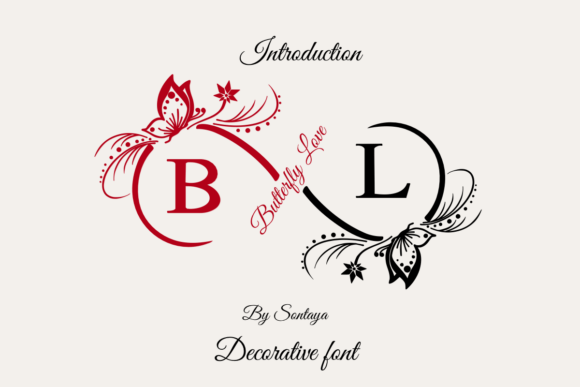
At its core, Butterfly Love is a decorative font that leans heavily into the aesthetics of elegance and fluidity. It is not a rigid sans serif font, nor is it a traditional serif font. Instead, it sits comfortably in the realm of script fonts and artistic typography. The visual appeal lies in its distinct character shapes; the letters often feature delicate swashes and a rhythm that mimics natural handwriting. This gives any text set in this typeface a sense of movement, much like the erratic yet beautiful flight path of a butterfly.
For designers, this visual language is invaluable. When you are working on a project that requires a personal touch, such as a logo design for a florist or a bakery, you need a font that feels approachable. Butterfly Love provides that immediate warmth. It signals to the viewer that the brand or message is creative, thoughtful, and perhaps a little romantic. It transforms a static block of text into a piece of art, making it an excellent choice for projects where the typography needs to be the hero of the design.
From Personal Journals to Professional Branding
One of the most common misconceptions about decorative fonts is that they are only for one-off projects. However, Butterfly Love challenges that notion by offering a broad range of utility. On a personal level, it is a fantastic tool for the hobbyist. If you enjoy scrapbooking, writing in a physical diary, or making handmade greeting cards, this font (or its printed equivalent) adds a layer of sophistication that standard ballpoint pens cannot replicate. It turns a simple shopping list into a charming piece of paper and a diary entry into a memoir page.
However, the utility extends far beyond personal stationery. In the professional sphere, Butterfly Love serves as a powerful asset for brand identity. Consider the wedding industry, for example. From save-the-date cards to table numbers and thank-you notes, consistency is key. Using a premium font like this ensures that every touchpoint feels cohesive. The same applies to the beauty and lifestyle sectors. A skincare brand looking to convey softness and care might use this typeface for their packaging headers. It communicates "gentle" and "organic" without needing a single adjective in the copy.
Practical Applications in Modern Marketing
In the fast-paced world of social media graphics, grabbing attention is the primary goal. A generic modern typography style can sometimes blend into the noise of the feed. Butterfly Love offers a solution through its high-contrast and stylistic nature. It works exceptionally well for Instagram quotes, Pinterest pins, or YouTube thumbnails where you need to evoke a specific mood instantly. Because it is a creative font, it pairs beautifully with photography, overlaying images with text that feels like it belongs in the scene rather than sitting on top of it.
Furthermore, for those involved in packaging design, the unboxing experience is part of the product. Imagine a small business selling artisanal chocolates or handmade jewelry. The product label or the hang-tag using Butterfly Love can elevate the perceived value of the item. It suggests that care was taken in the presentation, which often translates to how the customer values the product itself. This is the essence of using design assets effectively—using typography to influence perception.
Strategic Typography: Pairing and Readability
While Butterfly Love is undeniably beautiful, applying it effectively requires a strategic approach to font pairing. Because it is a display-oriented typeface, it is generally best suited for headlines, sub-headlines, and short bursts of text. If you were to write a long-form blog post entirely in a script style, you would likely run into readability issues. The eyes need a break, and complex letterforms can become tiring to read in large blocks.
The most effective way to use this typeface is to pair it with a clean, neutral sans serif font. For example, if you are designing a poster or a website header, use Butterfly Love for the main title to draw the eye, and then use a font like Montserrat or Open Sans for the body text. This contrast creates a visual hierarchy. It tells the reader exactly where to look first. The decorative font provides the emotion, while the sans serif provides the information. This balance is crucial in web design and editorial design, where clarity is just as important as aesthetics.
It is also worth noting the importance of spacing. Script fonts and decorative typefaces often have more complex kerning (the space between letters) than standard fonts. When using Butterfly Love, ensure you check your tracking. Sometimes, slightly increasing the space between letters can improve legibility, especially at smaller sizes. This attention to detail separates amateur designs from professional design assets.
Commercial Use and Licensing Considerations
For small business owners and entrepreneurs, the technical side of typography is just as important as the visual side. When you download a premium font like Butterfly Love, you are usually purchasing a license that dictates how you can use it. It is vital to understand the difference between personal and commercial licensing.
If you are using the font solely for your own notes, invitations for your own wedding, or personal art projects, a personal license is typically sufficient. However, the moment you use that font on a product you sell—whether it is a t-shirt design, a mug, a digital planner, or a logo for a client—you are entering commercial territory. Always review the license agreement included with your download. Most commercial font licenses are perpetual, meaning you pay once and can use it forever, but they may have restrictions on embedding the font in apps or software.
Using licensed fonts correctly protects your business from legal headaches down the road. It also supports the type designers who pour hours into creating these design assets. When you invest in a quality typeface, you are investing in the foundation of your visual communication.
Conclusion: Elevating the Everyday
Typography is often the silent ambassador of a brand or a project. We might not always notice a great font, but we definitely feel its effect. Butterfly Love offers a unique blend of artistic flair and practical application. It is a creative font that manages to be both whimsical and usable. Whether you are a content creator looking to spice up your latest post, a crafter wanting to make your stationery shine, or a business owner building a romantic brand identity, this typeface provides the tools to do so.
It reminds us that design does not have to be sterile or corporate. It can be fluid, personal, and expressive. By understanding how to pair it, where to use it, and respecting its licensing, you can unlock a new dimension of creativity in your work. So, the next time you are scrolling through your library of fonts looking for that perfect match, consider the elegance of a well-crafted script. It might just be the missing piece that brings your vision to life.