Beach Retro: Capturing Nostalgic Summer Vibes in Your Designs
There’s something undeniably magnetic about the faded posters of a 1960s surf shop or the sun-bleached signage of a classic seaside diner. That feeling of endless summer, carefree afternoons, and a touch of well-worn authenticity is a powerful visual language. For designers and creators looking to tap into that specific aesthetic without resorting to clichés, the right typeface is your most essential tool. This is where a display font like Beach Retro enters the scene, offering more than just letters—it provides a direct line to a nostalgic, tropical atmosphere.
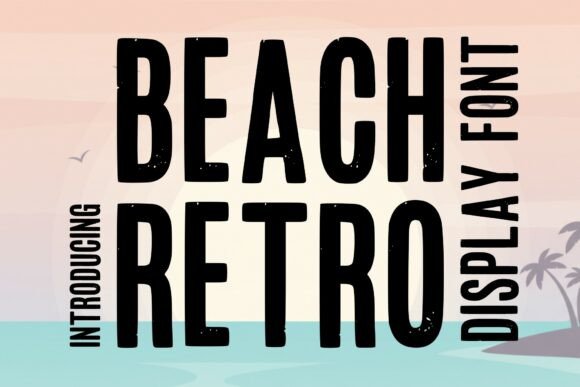
Beach Retro is a bold vintage-style display font characterized by its rough, distressed texture. This isn't a pristine, polished typeface; it's one with history etched into its very strokes. The deliberate imperfections and weathered edges give it a strong retro personality, making it feel like it was plucked straight from a classic beach poster or a vintage travel advertisement. Its design is intentionally relaxed yet eye-catching, striking a perfect balance between readability and stylistic flair. It’s a premium font that serves as a foundational design asset for projects that demand a specific mood.
Where This Vintage Typeface Truly Shines
Understanding a font's personality is one thing; knowing how to deploy it effectively is where the real value lies. The applications for a typeface like this are surprisingly versatile, extending far beyond obvious summer themes.
- Brand Identity & Logo Design: For businesses like surf shops, beachside cafes, vintage clothing brands, or summer festival organizers, Beach Retro can become the cornerstone of a brand identity. It instantly communicates a relaxed, authentic, and fun-loving ethos. When used in a logo, it tells a story before a customer reads a single word. Pairing it with a clean sans serif font for body text creates a professional and balanced brand system.
- Packaging Design: Imagine this font on a craft beer label, a bag of artisanal coffee, or the packaging for a tropical scented candle. It adds a layer of perceived quality and heritage, suggesting the product has a story and a genuine character. Its textured appearance also adds tactile interest on printed materials.
- Marketing & Social Media Graphics: In the fast-scrolling world of social media, stopping power is everything. A headline set in Beach Retro can make an Instagram post, Facebook ad, or digital banner stand out. It’s perfect for promoting events, sales with a vintage twist, or content that needs a strong, approachable personality. The font itself becomes a key part of the visual hook.
- Merchandise & Print Materials: This is where the font’s tactile quality truly excels. T-shirt designs, poster prints, tote bags, and stickers all benefit from a distressed, retro look. It gives merchandise an instant "cool" factor and makes it feel like a curated find rather than generic swag. For event posters or festival lineups, it sets the tone immediately.
- Digital & Editorial Design: While primarily a display font, it can be used strategically in web design for hero sections, landing page headers, or blog post titles to inject personality. In editorial layouts for magazines or lookbooks, it can create compelling chapter titles or pull quotes that draw the reader's eye.
Making It Work: Practical Typography Advice
Adopting a strong stylistic font like Beach Retro requires a thoughtful approach to ensure it enhances rather than overwhelms your project. Here’s how to integrate it successfully.
Purpose Over Aesthetic: First, ask if the retro, textured vibe aligns with your project's core message. It’s a fantastic fit for brands and projects that value authenticity, nostalgia, fun, and a connection to nature or vintage culture. For a corporate financial report, it’s likely the wrong tool. For a new artisanal soda brand, it could be perfect.
Font Pairing is Key: A display font rarely works alone. The most effective strategy is to pair Beach Retro with a contrasting, highly readable font for longer blocks of text. A simple, geometric sans serif font or a clean serif font can provide excellent balance. The contrast allows the display font to capture attention for headlines, while the secondary font ensures clarity for descriptions, paragraphs, and detailed information. Test different pairings to see which combination feels harmonious and serves the project's hierarchy.
Readability Considerations: At small sizes or in long sentences, the distressed texture of a display font can reduce legibility. Use Beach Retro for short, impactful text: headlines, subheadings, logos, and pull quotes. Avoid using it for body copy, instructional text, or anywhere critical information must be absorbed quickly and easily. Always test your designs at the intended viewing size—what looks great on a large monitor might become muddy on a mobile screen or a small printed label.
Licensing for Commercial Use: If you're using this font for a client project, a business, or for merchandise you plan to sell, you must ensure you have the correct commercial license. Most premium fonts, including Beach Retro, come with clear licensing terms. Purchasing the appropriate license protects you legally and supports the designers who create these valuable tools. Always review the license agreement before finalizing your project.
Ultimately, a typeface like Beach Retro is more than a collection of glyphs; it's a mood setter and a storytelling device. Its value lies in its ability to evoke a specific, desirable feeling—warmth, nostalgia, adventure, and authenticity. By understanding its strengths and applying it with intention, you can transform a simple design into a resonant piece of visual communication that connects with your audience on an emotional level. Whether you're crafting a new brand from scratch, refreshing a marketing campaign, or designing a line of merchandise, choosing the right creative font is a strategic decision that shapes how your message is received and remembered.