Aaron: A Bold Typeface That Commands Attention
Ever scrolled past a logo that felt instantly forgettable, or seen a poster that blended into the background noise? That’s the silent cost of playing it safe with typography. If your project needs to stop people mid-scroll, anchor a brand with unmistakable presence, or make a headline feel like an event, you need a font built for impact, not just legibility. Enter Aaron – a decorative display typeface engineered to be the visual centerpiece, not a supporting player.
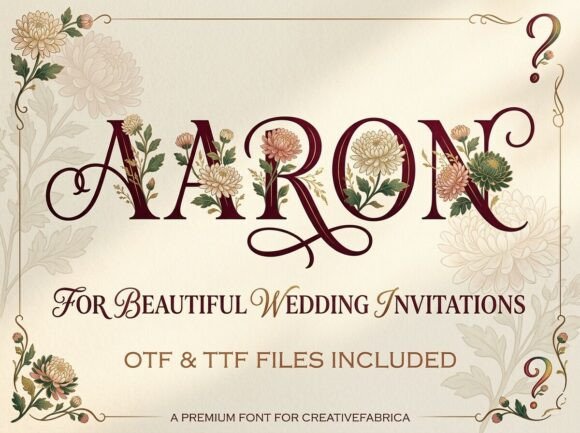
Aaron isn’t trying to be the quiet, versatile workhorse like a classic sans serif or a friendly handwritten font. It’s the bold statement piece in your design toolkit. Think of it as the typographic equivalent of a signature piece of jewelry or a striking architectural feature. Its core strength lies in its distinctive artistic elements and strong visual personality. Each uppercase letterform is crafted as an individual piece of art, featuring unique curves, weight distribution, and decorative details that create a cohesive yet visually arresting alphabet. This isn’t about subtle elegance; it’s about creating immediate, memorable recognition.
Where Aaron Truly Shines: Beyond the Ordinary Headline
Understanding where a premium font like Aaron excels is key to using it effectively. Its all-caps, high-impact nature makes it a specialist, not a generalist. Here’s where it delivers real value:
- Logo Design & Brand Identity: This is Aaron’s sweet spot. A logo sets the tone for an entire brand. Using Aaron for a wordmark or monogram injects instant personality and memorability. Imagine a boutique coffee roaster, a high-end fitness studio, or an artisanal craft brand using Aaron – it communicates quality, confidence, and a distinct point of view before a single product description is read. It helps build strong brand recognition because the typography itself becomes iconic.
- Packaging That Pops: On a crowded shelf or in a digital storefront, packaging has seconds to make an impression. Aaron can be the hero on a product label, box design, or sleeve. It’s perfect for brand names, product line titles, or key selling points like "Small Batch" or "Handcrafted." Paired with a clean, readable sans serif for body text, it creates a professional and polished finish that elevates the perceived value of the product.
- Editorial & Poster Design: For magazine covers, chapter titles, event posters, or album art, Aaron provides the dramatic flair needed. It turns a title into a visual hook. Used strategically on a book cover or a concert flyer, it sets the mood instantly – be it luxurious, edgy, vintage, or avant-garde, depending on how it’s paired and colored.
- Digital Presence with Punch: In the fast-paced world of social media, standing out is non-negotiable. Aaron is a powerhouse for Instagram story titles, YouTube thumbnail text, Pinterest pin headers, or website hero section banners. It grabs attention in a feed saturated with generic fonts. For a blog, using it for post titles can create a strong visual brand for your content, making your site instantly recognizable.
- Merchandise & Marketing Assets: Think t-shirts, tote bags, mugs, stickers, or promotional posters. Aaron’s decorative nature translates beautifully to merchandise where the text is the design. For marketing materials like flyers, business cards, or email headers, it ensures your key message isn’t just read, but seen and remembered.
Pairing Aaron: Creating Harmony, Not Chaos
Using a strong display font like Aaron requires a thoughtful approach to avoid visual overload. The goal is to let it command attention without sacrificing overall readability or creating a disjointed design. Here’s practical guidance:
- Let Aaron Lead, Pair it with a Neutral Partner: The most effective strategy is to use Aaron for headlines, logos, or key call-outs, and pair it with a highly legible, neutral font for body copy. A clean sans serif (like a classic grotesk or geometric sans) or a simple, readable serif font works perfectly. This contrast creates visual hierarchy and ensures your message is both impactful and accessible. Avoid pairing it with other overly decorative fonts.
- Consider the Context and Mood: Does your project call for a touch of retro flair, modern sophistication, or artistic whimsy? The specific details in Aaron’s letterforms will guide this. Pair it with fonts and design elements that complement its personality. For a vintage vibe, pair it with a classic serif; for a sleek, modern look, use a minimalist sans serif.
- Test Relentlessly in Context: Never judge a font in isolation. Mock up your actual project – a business card, a social media post, a product label. Test different sizes, colors, and backgrounds. Check how Aaron looks on both screen and in print. Does it maintain its clarity and impact? Is the spacing (kerning) between letters balanced? The included OTF and TTF files ensure compatibility across design software and platforms, making this testing seamless.
- Respect Its Nature: Uppercase Only: This is crucial. Aaron is an all-caps display typeface. It does not have lowercase letters. This is by design, emphasizing its role for high-impact applications. Don’t try to force it into long paragraphs of text; it will become illegible and lose its effect. Use it where every letter can be appreciated as a standalone visual element – in short, powerful bursts.
Making the Strategic Choice: Is Aaron Right for Your Project?
Choosing a font is a strategic design decision, not just an aesthetic one. Ask yourself these questions:
- What is the primary goal? Is it to establish authority, convey creativity, evoke nostalgia, or project modern luxury? Aaron excels when the goal is strong visual personality and immediate recognition.
- Who is the audience? Does your target audience respond to bold, artistic statements? Aaron resonates in contexts where craftsmanship, uniqueness, and premium quality are valued.
- What is the application? Will it be used primarily for large-scale headings, logos, and decorative initials? If yes, it’s a strong candidate. If you need a font for body text or extensive reading, you’ll need to look elsewhere (like a versatile serif or sans serif).
- What are the licensing needs? Always review the font license before purchase, especially for commercial projects. Ensure it covers your intended use, whether for client work, merchandise, digital products, or marketing materials. A premium font like Aaron typically comes with a license that permits broad commercial use, but it’s your responsibility to confirm.
Aaron is more than just a set of letters; it’s a design asset for creators who refuse to blend in. It’s for the entrepreneur crafting a brand identity from scratch, the designer tasked with making a campaign unforgettable, the content creator building a visually cohesive channel, and the small business owner who wants their packaging to tell a story at a glance. By understanding its strengths and using it strategically alongside complementary typefaces, you can leverage its stunning decorative power to create visuals that don’t just communicate – they captivate. When every letter needs to be a work of art, Aaron delivers.